Wood & Faux Wood Beams
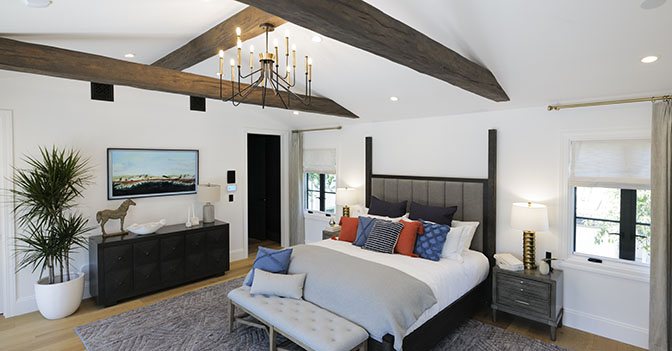
Affordably achieve your ideal interior aesthetic with real and faux wood beams from Barron Designs. Thanks to their top-tier craftsmanship, our faux and real wooden beams are virtually indistinguishable from each other and offered in an array of timeless and modern styles. With custom beams, planks, trusses, corbels, and viga tails available, explore our entire collection below, along with our faux columns and panels.
Unsure where to start? Shop Samples
UNSURE WHERE TO START?Shop Our Samples To Find The Perfect Finish For Your Project
Shop Now
Affordable
Costs much less than traditional, natural products

Innovative
Designed for seamless integration and easy installation

Inspirational
Largest selection of styles and textures in the industry

Handcrafted
Hand-painted by artisans to look just like the real thing